
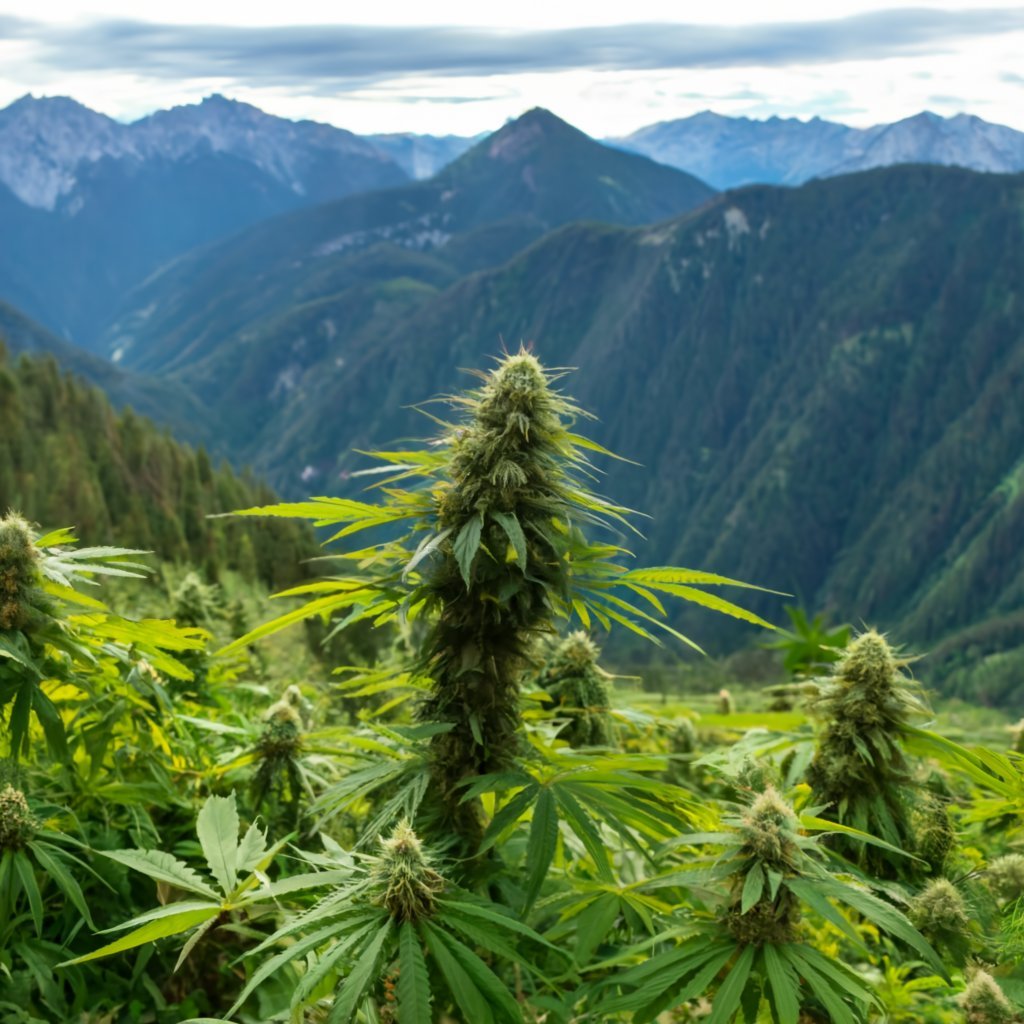
Growing cannabis in mountainous regions presents unique challenges and opportunities. The varied climate, elevation, and soil conditions of these areas can impact plant growth, yield, and quality. However, with careful planning and adaptive techniques, successful cannabis cultivation in such environments is entirely achievable. This article explores the key considerations, challenges, and strategies for growing cannabis in mountainous regions.
Key Considerations for Mountainous Cannabis Cultivation
- Climate and Temperature
- Challenges: Mountainous regions often experience extreme temperature variations between day and night, shorter growing seasons, and unpredictable weather patterns. Frosts, high winds, and intense UV radiation can also pose risks.
- Strategies: Choose hardy cannabis strains that are resilient to temperature fluctuations and short growing seasons. Consider using greenhouses or high tunnels to protect plants from frost and harsh weather while extending the growing season.
- Soil and Drainage
- Challenges: Mountain soils can be rocky, acidic, or poorly drained, making it difficult for cannabis roots to establish and thrive. Erosion and runoff can also affect soil quality and stability.
- Strategies: Conduct a soil test to determine pH, nutrient levels, and soil structure. Amend soil with organic matter, compost, and lime if needed to improve fertility and drainage. Raised beds or container gardening can be effective solutions for managing poor soil conditions and ensuring proper drainage.
- Water Access
- Challenges: Limited water availability or difficult access to water sources can be a significant challenge in mountainous areas. Natural water sources may be scarce or unreliable.
- Strategies: Implement rainwater harvesting systems to collect and store water for irrigation. Use drip irrigation or soaker hoses to deliver water efficiently and minimize waste. Mulching around plants can help retain soil moisture and reduce evaporation.
- Sunlight and Light Intensity
- Challenges: Mountainous terrain can result in reduced sunlight due to shading from surrounding peaks or vegetation. Additionally, high altitudes can expose plants to increased UV radiation.
- Strategies: Choose planting sites with optimal sunlight exposure, preferably on south-facing slopes where possible. Use reflective materials or light-enhancing technologies if growing indoors or in greenhouses. Be mindful of UV protection for plants and consider using shade cloths or UV-resistant covers.
- Pests and Wildlife
- Challenges: Mountainous areas can host a variety of pests and wildlife that may damage cannabis plants. Larger animals such as deer or smaller pests like insects can pose threats.
- Strategies: Employ physical barriers like fences or netting to protect plants from larger wildlife. Use organic pest control methods and natural predators to manage insect populations. Regular monitoring and maintenance can help identify and address pest issues early.
- Accessibility and Logistics
- Challenges: The remote and rugged nature of mountainous regions can make accessing cultivation sites, transporting materials, and managing crops challenging.
- Strategies: Plan logistics carefully, including transportation of supplies and access to cultivation areas. Use durable equipment and tools that can withstand the conditions. Consider using local resources and labor to assist with cultivation and maintenance.
Recommended Cannabis Strains for Mountainous Environments
- Durban Poison
- Characteristics: Sativa-dominant strain known for its resilience and adaptability. It thrives in diverse climates and has a relatively short flowering time.
- Benefits: Excellent for high-altitude areas with variable weather conditions. It offers a stimulating and uplifting high.
- Northern Lights
- Characteristics: Indica-dominant strain with a robust and hardy nature. It is well-suited for cooler climates and has a relatively short flowering period.
- Benefits: Ideal for mountainous regions with colder temperatures. It provides relaxing effects and is relatively resistant to pests and diseases.
- Hindu Kush
- Characteristics: Pure indica strain known for its hardiness and adaptability to various environmental conditions. It performs well in cooler climates and high altitudes.
- Benefits: Suitable for harsh mountainous environments. It offers calming and sedative effects.
- Autoflowering Strains
- Characteristics: Cannabis strains that flower based on age rather than light cycles. They have a shorter growth period and are often more resilient to environmental stress.
- Benefits: Ideal for regions with shorter growing seasons and unpredictable weather. Autoflowers typically mature faster and can produce multiple harvests per year.
Cultivation Techniques for Mountainous Areas
- Container Gardening
- Description: Growing cannabis in containers allows for easier control over soil conditions, drainage, and mobility.
- Benefits: Useful for managing poor or rocky soils and can be moved to optimize sunlight and shelter from harsh weather.
- Greenhouses and High Tunnels
- Description: Structures that provide protection from extreme weather, pests, and animals while extending the growing season.
- Benefits: Ideal for maintaining stable growing conditions and protecting plants from frost and heavy rains.
- Raised Beds
- Description: Elevated garden beds filled with amended soil to improve drainage and fertility.
- Benefits: Effective for dealing with rocky or poorly drained soil. Raised beds also help with soil warming and accessibility.
- Mulching
- Description: Applying organic material like straw or wood chips around plants.
- Benefits: Helps retain soil moisture, regulate soil temperature, and suppress weeds.
Conclusion
Growing cannabis in mountainous regions presents unique challenges but also offers opportunities for cultivating resilient and high-quality plants. By understanding the specific conditions of mountainous environments and employing appropriate strategies, growers can overcome obstacles and achieve successful harvests. Choosing the right strains, optimizing soil and water management, and implementing protective measures can significantly enhance the viability and productivity of cannabis cultivation in these rugged and rewarding landscapes.


