
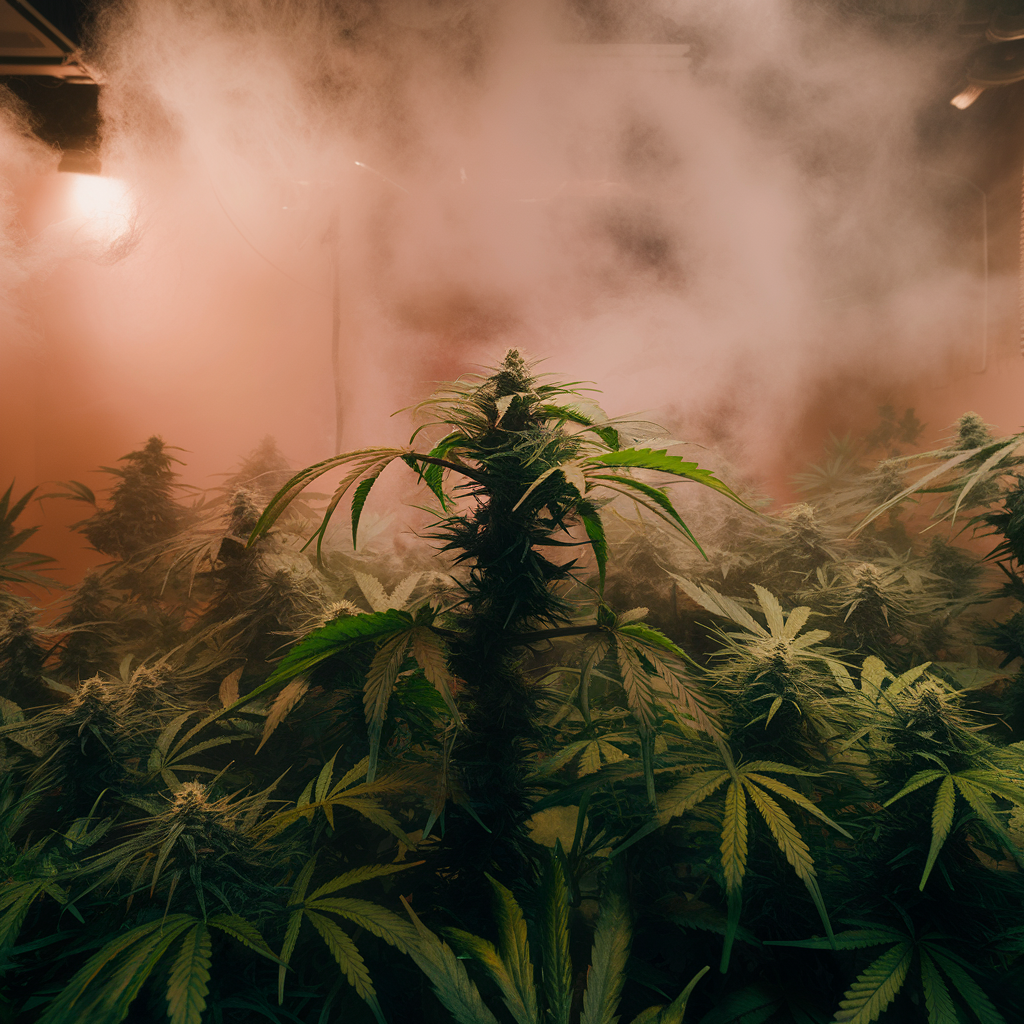
Humidity is a critical factor in cannabis cultivation, significantly impacting plant health, growth rate, and yield. Too much or too little humidity can lead to various issues, ranging from stunted growth to mold infestations. This article delves into the importance of humidity control, common problems associated with improper humidity levels, and strategies for managing humidity in your grow space.
The Importance of Humidity in Cannabis Cultivation
Humidity refers to the amount of moisture in the air, expressed as a percentage of water vapor present compared to the maximum amount the air can hold at a given temperature. In cannabis cultivation, maintaining the right humidity level is crucial for several reasons:
- Transpiration: Proper humidity levels ensure efficient transpiration, which is the process of water movement through a plant and its evaporation from aerial parts like leaves.
- Nutrient Uptake: Humidity affects the plant’s ability to uptake nutrients from the soil. High humidity can slow transpiration and nutrient uptake, while low humidity can speed it up excessively.
- Photosynthesis: Optimal humidity levels help maintain the balance required for effective photosynthesis and overall plant health.
Ideal Humidity Levels for Cannabis
Cannabis plants require different humidity levels at different growth stages:
- Seedling Stage: 65-70% relative humidity (RH). Young plants need higher humidity to support delicate root systems and prevent dehydration.
- Vegetative Stage: 40-60% RH. As plants develop stronger root systems, slightly lower humidity encourages transpiration and nutrient uptake.
- Flowering Stage: 40-50% RH. Lower humidity is crucial to prevent mold and mildew on developing buds.
- Late Flowering/Pre-Harvest: 30-40% RH. Further reducing humidity helps prevent bud rot and other moisture-related issues.
Common Humidity Problems
- High Humidity:
- Symptoms: Mold and mildew growth, bud rot, reduced nutrient uptake, and slow transpiration.
- Solutions: Improve ventilation, use dehumidifiers, ensure adequate spacing between plants, and avoid overwatering.
- Low Humidity:
- Symptoms: Stunted growth, wilting, increased risk of pest infestations, and nutrient burn due to excessive transpiration.
- Solutions: Use humidifiers, mist plants (only during the vegetative stage), increase water sources in the grow room, and ensure proper airflow to distribute moisture evenly.
Strategies for Managing Humidity
- Monitoring: Regularly check humidity levels using hygrometers placed at various points in the grow room to get an accurate reading.
- Ventilation: Adequate airflow is essential. Use oscillating fans to circulate air and exhaust fans to remove excess humidity.
- Dehumidifiers and Humidifiers: Invest in good quality dehumidifiers to reduce humidity and humidifiers to increase it when necessary.
- Watering Practices: Adjust watering schedules to avoid overwatering, which can raise humidity levels. Consider watering plants early in the day to allow excess moisture to evaporate.
- Grow Room Design: Insulate grow rooms to prevent external humidity fluctuations and use reflective materials to maintain consistent environmental conditions.
- Plant Spacing: Avoid overcrowding plants, which can trap moisture and increase humidity levels. Proper spacing allows for better airflow.
- Temperature Control: Maintain optimal temperature levels as temperature and humidity are closely related. Cooler air holds less moisture, and warmer air holds more.
- Use of Silica: Adding silica supplements to your feeding regimen can help plants withstand higher humidity levels by strengthening cell walls.
Preventive Measures
- Regular Inspections: Routinely inspect plants for signs of mold, mildew, and other humidity-related issues.
- Cleanliness: Keep the grow area clean and free from decaying plant material, which can harbor mold and mildew.
- Balanced Nutrients: Ensure plants receive balanced nutrients to maintain overall health and resilience against environmental stresses.
Conclusion
Proper humidity management is a cornerstone of successful cannabis cultivation. By understanding the ideal humidity levels for each growth stage, recognizing symptoms of humidity problems, and implementing effective management strategies, growers can optimize plant health and maximize yields. Investing time and resources into humidity control will pay off with healthier plants, better quality buds, and higher overall productivity.


