
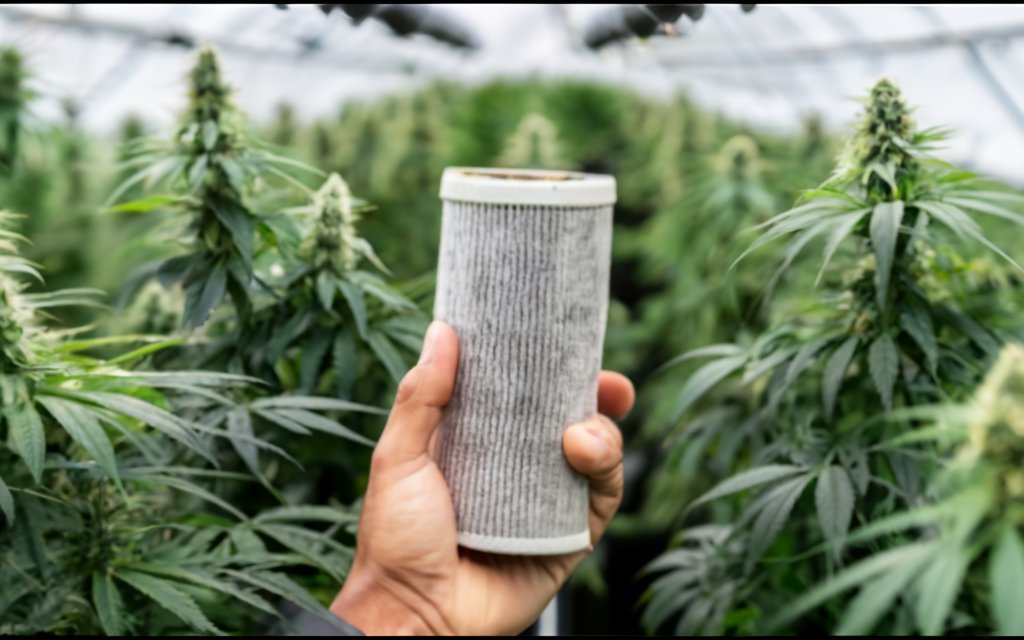
Using a carbon filter in cannabis cultivation is essential for several reasons, primarily related to odor control, air quality, and maintaining a healthy growing environment. Here’s a detailed look at why incorporating a carbon filter into your grow setup is beneficial:
1. Effective Odor Control
Why It’s Important:
- Strong Smell: Cannabis plants produce a strong and distinctive odor, especially during the flowering stage. This odor can be a concern for indoor growers or those in close proximity to neighbors.
- Stealth: For growers who wish to maintain discretion, controlling the smell is crucial to avoid drawing unwanted attention.
How Carbon Filters Help:
- Activated Carbon: Carbon filters contain activated carbon, which adsorbs and neutralizes odor molecules. This process effectively removes the smell from the air before it is expelled from the grow space.
- Improved Air Quality: By removing odors, carbon filters help to keep the air quality in the grow room or tent pleasant, especially if the cultivation area is used for other purposes or shared with people.
2. Maintaining a Healthy Growing Environment
Why It’s Important:
- Humidity Control: High humidity levels can lead to the growth of mold and mildew, which can damage cannabis plants and reduce yields.
- Pests and Diseases: Poor air quality can contribute to the development of pests and plant diseases.
How Carbon Filters Help:
- Air Circulation: Carbon filters are often used in conjunction with inline fans to ensure proper ventilation and air circulation. This helps to maintain optimal humidity and temperature levels.
- Clean Air: By removing odors and contaminants, carbon filters contribute to a cleaner and healthier growing environment, reducing the risk of issues related to pests, mold, and mildew.
3. Improving Airflow and Ventilation
Why It’s Important:
- Plant Health: Proper airflow is essential for healthy plant growth. It helps in nutrient uptake, transpiration, and overall plant vigor.
- Temperature Regulation: Good ventilation helps regulate temperature by removing hot, stale air and replacing it with cooler, fresh air.
How Carbon Filters Help:
- Integrated System: Carbon filters are typically installed as part of a ventilation system that includes fans. This setup helps to ensure that the grow area is well-ventilated, promoting even temperature and humidity levels.
- Efficient Airflow: By integrating carbon filters with fans, you can create a continuous airflow system that supports optimal plant health and growth.
4. Preventing Contamination
Why It’s Important:
- Airborne Contaminants: Grow rooms can be susceptible to dust, pollutants, and other airborne contaminants that might negatively impact plant health.
- Sensitive Plants: Cannabis plants are sensitive to changes in their environment, and contaminants can stress them or lead to poor growth.
How Carbon Filters Help:
- Purification: Carbon filters help to remove particulate matter and contaminants from the air, reducing the potential for plant stress and promoting a cleaner growing environment.
5. Enhancing the Grower’s Experience
Why It’s Important:
- Comfort: A well-ventilated and odor-free grow room contributes to a more comfortable and enjoyable growing experience.
- Discretion: For growers in residential or shared spaces, controlling odor is essential for privacy and discretion.
How Carbon Filters Help:
- Noise Reduction: Carbon filters and fans help to maintain a quieter grow room by reducing the noise associated with air circulation and filtration.
- Reduced Complaints: By managing odors effectively, carbon filters help to avoid potential complaints from neighbors or housemates.
Choosing the Right Carbon Filter
Size and Capacity:
- Match the Space: Ensure that the carbon filter is appropriately sized for your grow space and ventilation system. An undersized filter will be less effective, while an oversized one may be unnecessarily expensive.
Quality of Activated Carbon:
- High-Quality Carbon: Opt for filters with high-quality activated carbon, as this will provide better odor control and longer-lasting performance.
Compatibility:
- System Integration: Ensure that the carbon filter is compatible with your existing ventilation system, including fans and ducting.
Installation and Maintenance
Installation:
- Placement: Install the carbon filter as close to the air intake or exhaust point as possible for maximum effectiveness.
- Direction: Ensure that the airflow direction matches the design of the filter (usually indicated by arrows).
Maintenance:
- Regular Checks: Inspect the filter periodically to ensure it is functioning correctly.
- Replacement: Replace the carbon filter according to the manufacturer’s recommendations, typically every 6-12 months, depending on usage and the level of odor control required.
Conclusion
Using a carbon filter in cannabis cultivation is a vital component for successful indoor growing. It addresses key issues such as odor control, air quality, and ventilation, all of which contribute to a healthier and more productive growing environment. By choosing the right filter, installing it properly, and maintaining it regularly, you can ensure that your cannabis cultivation setup operates efficiently and discreetly.


