
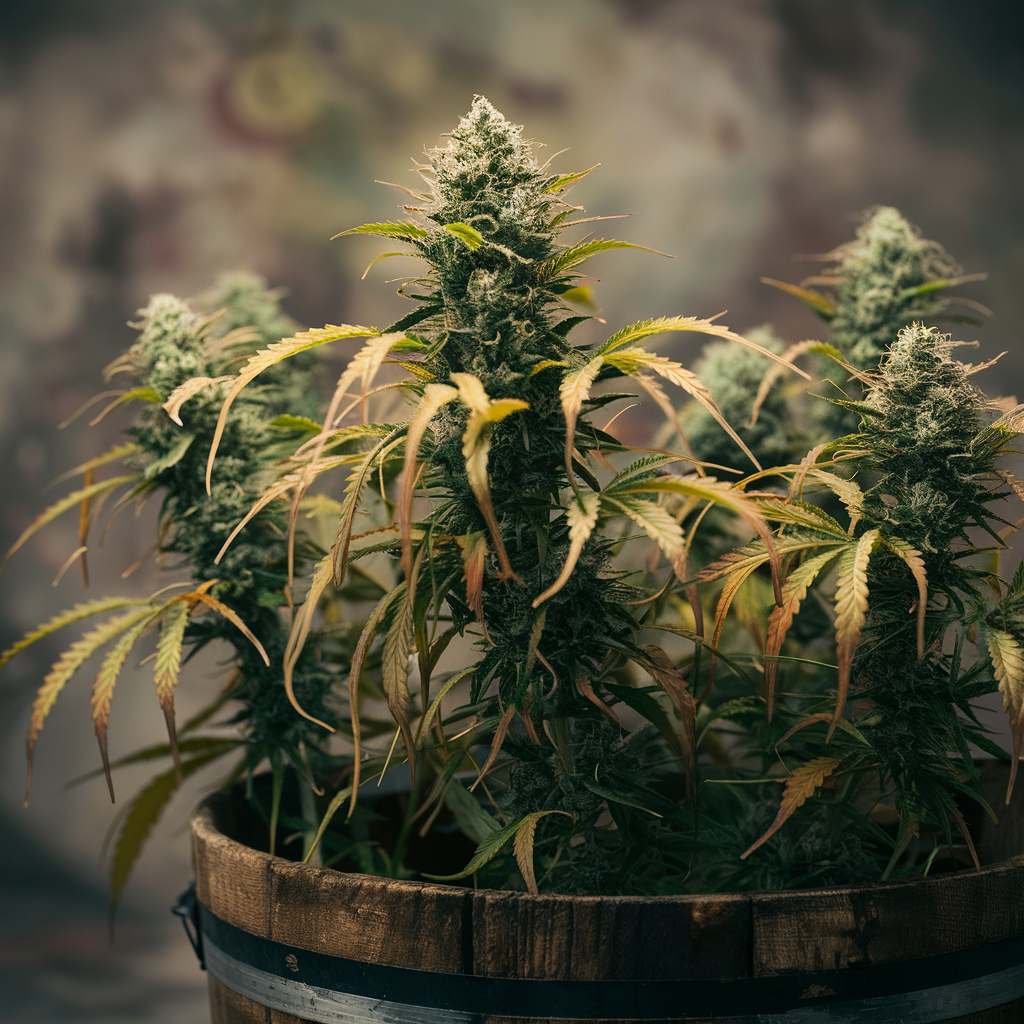
Nutrient deficiencies are a common challenge in cannabis cultivation that can significantly impact plant health, growth, and yields. Identifying and addressing these deficiencies promptly is crucial for maintaining healthy plants and achieving optimal harvests. This article explores common nutrient deficiencies in cannabis cultivation, their symptoms, causes, and solutions.
Common Nutrient Deficiencies in Cannabis
- Nitrogen Deficiency
- Symptoms: Lower leaves turn yellow and may eventually die off. Plants show slow growth and a general lack of vigor.
- Causes: Insufficient nitrogen in the soil or growing medium, poor nutrient uptake, or high pH levels can prevent nitrogen absorption.
- Solutions: Increase nitrogen levels by using nitrogen-rich fertilizers. Ensure the pH of the growing medium is within the optimal range (6.0-7.0 for soil and 5.5-6.5 for hydroponics). Consider using organic sources like compost or blood meal.
- Phosphorus Deficiency
- Symptoms: Dark green or purplish coloration on leaves, with older leaves showing necrosis or dead spots. Plants may exhibit slow growth and reduced flowering.
- Causes: Low phosphorus levels in the soil or nutrient solution, high pH levels, or poor root development.
- Solutions: Increase phosphorus levels with phosphorus-rich fertilizers. Adjust pH to ensure optimal nutrient uptake. Using rock phosphate or bone meal can also help.
- Potassium Deficiency
- Symptoms: Yellowing or browning of leaf edges, with older leaves showing signs of decay. Plants may have weak stems and poor resistance to disease.
- Causes: Insufficient potassium in the growing medium or nutrient solution, or high levels of calcium or magnesium that inhibit potassium uptake.
- Solutions: Use potassium-rich fertilizers and ensure balanced nutrient levels. Check and adjust pH to improve potassium absorption. Adding sources like kelp or wood ash can also be beneficial.
- Calcium Deficiency
- Symptoms: Leaf edges curl upwards, new growth shows deformed leaves, and plants may develop “tip burn” on older leaves.
- Causes: Low calcium levels in the growing medium or nutrient solution, or high levels of potassium or magnesium that interfere with calcium uptake.
- Solutions: Apply calcium-rich supplements or fertilizers. Ensure the pH is balanced (6.0-7.0 for soil and 5.5-6.5 for hydroponics) to improve calcium availability. Calcium carbonate or gypsum can be used to amend soil.
- Magnesium Deficiency
- Symptoms: Interveinal chlorosis (yellowing between leaf veins) on older leaves, leaf edges curling upwards, and overall slow growth.
- Causes: Low magnesium levels in the growing medium, high calcium levels that inhibit magnesium uptake, or high pH levels.
- Solutions: Increase magnesium levels with Epsom salts or magnesium-rich fertilizers. Adjust pH levels to improve magnesium absorption. Consider using magnesium sulfate for quick relief.
- Iron Deficiency
- Symptoms: Interveinal chlorosis on young leaves, with leaf veins remaining green while the areas between them turn yellow.
- Causes: Low iron levels in the soil or nutrient solution, high pH levels, or poor root health.
- Solutions: Apply iron supplements or chelated iron fertilizers. Lower pH levels can improve iron availability. Foliar feeding with iron can provide quick relief.
- Zinc Deficiency
- Symptoms: Interveinal chlorosis on young leaves, with small, distorted leaves and overall reduced growth.
- Causes: Low zinc levels in the growing medium, high pH levels, or nutrient imbalances.
- Solutions: Use zinc supplements or fertilizers with zinc content. Adjust pH to enhance zinc availability. Foliar feeding with zinc can be effective.
- Manganese Deficiency
- Symptoms: Interveinal chlorosis on young leaves, with leaf edges turning brown and overall poor growth.
- Causes: Low manganese levels in the growing medium, high pH levels, or nutrient imbalances.
- Solutions: Apply manganese-rich fertilizers or foliar sprays. Adjust pH to improve manganese uptake. Use chelated manganese products for better absorption.
General Tips for Managing Nutrient Deficiencies
- Regular Monitoring: Frequently check plant health and growing conditions. Regularly test soil or nutrient solution pH and nutrient levels to detect and address issues early.
- Balanced Fertilization: Use a balanced, high-quality fertilizer that provides essential nutrients in appropriate proportions. Over-fertilization can cause nutrient imbalances, so follow recommended feeding schedules.
- pH Management: Maintain proper pH levels to ensure optimal nutrient availability. For soil, aim for a pH of 6.0-7.0; for hydroponics, target 5.5-6.5.
- Proper Watering: Over or under-watering can affect nutrient uptake. Ensure consistent and appropriate watering practices to keep plants healthy.
- Good Soil Health: Use well-draining soil or growing medium that provides a balanced nutrient base. Incorporate organic matter to improve soil fertility and structure.
- Supplementing Nutrients: Use supplements or additives as needed to address specific deficiencies. Organic sources can be beneficial for improving soil health.
- Consulting Experts: Seek advice from experienced growers or agronomists if you’re unsure about diagnosing or correcting deficiencies. They can offer tailored recommendations based on your specific situation.
Conclusion
Nutrient deficiencies in cannabis cultivation can lead to a range of problems, affecting plant health, growth, and yields. By understanding the symptoms and causes of common deficiencies, growers can take proactive measures to address and prevent these issues. Regular monitoring, balanced fertilization, and proper pH and watering practices are essential for maintaining healthy plants and achieving successful harvests. With careful attention and prompt action, growers can overcome nutrient deficiencies and cultivate thriving cannabis plants.


