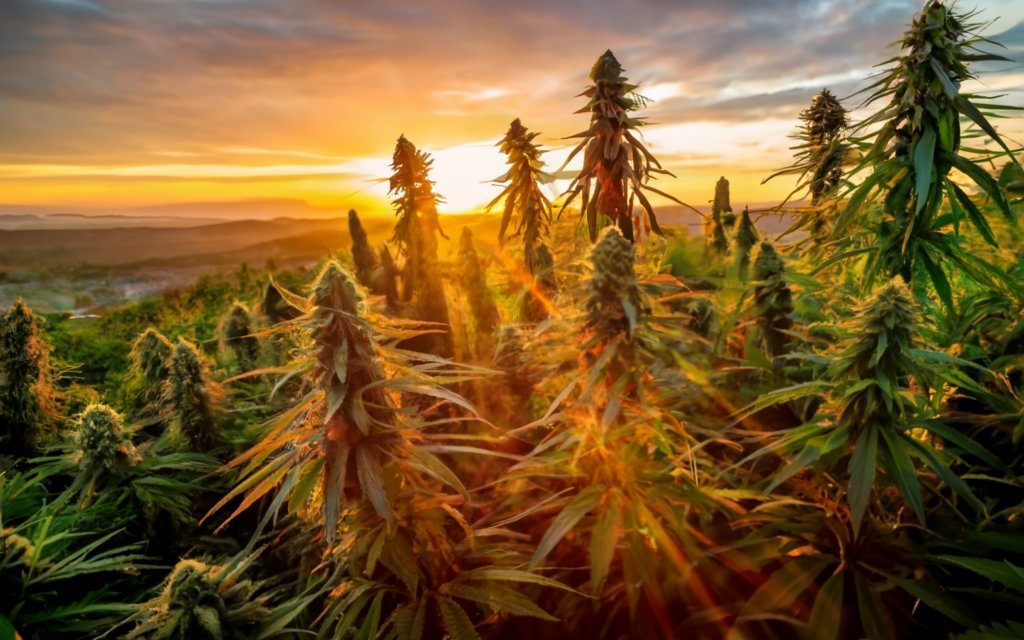
Landrace cannabis strains are the ancestral varieties from which many of today’s popular cannabis strains have evolved. These traditional strains have adapted to specific environments over thousands of years, resulting in unique genetic profiles that reflect their geographic origins. This article delves into the world of landrace cannabis, exploring its history, characteristics, and significance in modern cannabis cultivation.
What Are Landrace Cannabis Strains?
Landrace cannabis strains are indigenous varieties that have developed naturally in their native regions. These strains have adapted to local climates, soils, and growing conditions, making them highly suited to their specific environments. Unlike hybrid strains, which are bred for specific traits and often involve crossing multiple varieties, landrace strains are pure and stable genetic lines that have remained relatively unchanged for centuries.
Historical Background
- Origins
- Landrace cannabis strains originated in various regions around the world, where they evolved independently in response to local environmental pressures. These strains were cultivated by ancient societies for their medicinal, psychoactive, and industrial uses.
- Cultural Significance
- Landrace strains have deep cultural and historical significance in their regions of origin. They were often used in traditional medicine, religious rituals, and everyday life. For example, cannabis has been an integral part of spiritual practices in India and Nepal, while in Africa, it has been used for its psychoactive effects and medicinal properties.
- Preservation
- The preservation of landrace strains is crucial for maintaining genetic diversity within the cannabis gene pool. These strains provide a valuable resource for breeders and researchers looking to understand and improve cannabis genetics.
Characteristics of Landrace Cannabis Strains
- Adaptability
- Landrace strains are highly adapted to their local environments. They exhibit traits that make them resilient to local pests, diseases, and climate conditions. This adaptability often results in robust plants that can thrive with minimal intervention.
- Genetic Purity
- Unlike hybrid strains, landrace strains maintain genetic purity, meaning they have not been crossbred with other strains. This purity results in consistent characteristics and predictable growth patterns.
- Unique Profiles
- Landrace strains often have distinct cannabinoid and terpene profiles that reflect their environment. This can result in unique flavors, aromas, and effects that are not found in modern hybrids.
- Growth Characteristics
- These strains can vary in their growth habits depending on their origins. For example, some landrace strains are short and bushy, suitable for cooler climates, while others are tall and lanky, adapted to warmer regions.
Notable Landrace Cannabis Strains
- Afghan Kush
- Origin: The Hindu Kush mountain range in Afghanistan.
- Characteristics: Indica-dominant, known for its resinous buds and relaxing effects. It has a pungent, earthy aroma with hints of spice and pine.
- Significance: Afghan Kush is a foundational strain in modern indica hybrids and is valued for its high THC content and potent effects.
- Thai
- Origin: Thailand, particularly the northern regions.
- Characteristics: Sativa-dominant, known for its uplifting and energetic effects. It has a sweet, fruity aroma with hints of spice and citrus.
- Significance: Thai is a key ingredient in many classic sativa hybrids and is prized for its unique high and flavor profile.
- Malawi Gold
- Origin: Malawi, East Africa.
- Characteristics: Sativa-dominant, known for its potent, euphoric effects and high THC content. It has a distinct, spicy aroma with earthy undertones.
- Significance: Malawi Gold is highly regarded for its strength and is used in breeding programs to develop new sativa strains.
- Lebanese
- Origin: Lebanon, particularly the Bekaa Valley.
- Characteristics: A balanced strain with both sativa and indica traits, known for its sweet, hash-like aroma and relaxing effects.
- Significance: Lebanese landrace strains are known for their resilience and unique flavor profile, contributing to the diversity of modern cannabis.
- Kashmir
- Origin: The Kashmir region of India and Pakistan.
- Characteristics: Typically indica-dominant, known for its dense, resinous buds and relaxing effects. It has a complex aroma with earthy, woody notes.
- Significance: Kashmir strains have been used in traditional hash production and are valued for their potent and soothing effects.
Significance of Landrace Strains in Modern Cannabis Cultivation
- Genetic Diversity
- Landrace strains provide a valuable reservoir of genetic diversity that can be used to enhance modern cannabis strains. Breeders often use landrace genetics to introduce new traits, such as disease resistance, flavor profiles, or growth characteristics.
- Breeding Programs
- Many modern cannabis strains trace their lineage back to landrace varieties. By understanding and utilizing these original strains, breeders can develop new hybrids that maintain desirable traits while incorporating the benefits of landrace genetics.
- Cultural and Historical Value
- Preserving landrace strains helps maintain cultural heritage and historical knowledge about cannabis cultivation and use. These strains represent the traditional practices and values of the regions where they originated.
- Adaptation to Local Conditions
- Growers in various regions may use landrace strains to develop new varieties that are better suited to local climates and conditions. This can lead to more resilient and productive cannabis crops.
Growing Landrace Cannabis Strains
- Adaptation to Climate
- When cultivating landrace strains, consider their native climate and growing conditions. These strains are adapted to specific environments, so replicating their natural conditions as closely as possible will help ensure successful growth.
- Soil and Nutrition
- Provide soil and nutrients that match the needs of the landrace strain. Conduct soil tests to determine the appropriate amendments and fertilizers.
- Pest and Disease Management
- Implement pest and disease management practices that align with the natural resilience of landrace strains. This may include organic methods or integrated pest management strategies.
- Harvesting and Curing
- Harvest and cure landrace strains with care to preserve their unique characteristics. Follow best practices for drying and curing to maintain flavor, aroma, and potency.
Conclusion
Landrace cannabis strains are the historical foundation of modern cannabis cultivation, offering unique genetic, cultural, and practical benefits. These traditional varieties provide valuable insights into the evolution of cannabis and serve as a vital resource for breeders and growers seeking to enhance genetic diversity and adaptability. By understanding and preserving landrace strains, we honor their legacy and ensure that their unique qualities continue to enrich the world of cannabis.