Electrical conductivity (EC) is a crucial parameter in hydroponic cannabis cultivation, affecting plant health, growth, and yield. EC measures the ability of a solution to conduct electricity, which directly correlates with the concentration of dissolved salts and nutrients in the solution. Understanding and managing EC levels is essential for optimizing nutrient uptake and ensuring the success of hydroponic systems. This article explores what EC is, why it matters, how to measure it, and how to manage EC levels effectively in cannabis hydroponics.
What is Electrical Conductivity (EC)?
Electrical Conductivity (EC) refers to the measure of a solution’s ability to conduct an electrical current. In hydroponics, EC is used as an indirect indicator of the concentration of dissolved salts, including essential nutrients, in the nutrient solution. Higher EC values indicate higher nutrient concentrations, while lower EC values suggest a more dilute solution.
EC is measured in units of Siemens per meter (S/m), but in practical hydroponic applications, it is commonly expressed in milliSiemens per centimeter (mS/cm) or microsiemens per centimeter (µS/cm).
Why EC Matters in Cannabis Hydroponics
- Nutrient Availability
- Balance: The EC level indicates the nutrient concentration in the hydroponic solution. Maintaining the right EC ensures that cannabis plants receive an adequate supply of essential nutrients without the risk of over-fertilization or nutrient imbalances.
- Optimal Range: Cannabis plants have specific EC requirements at different stages of growth. For example, seedlings and young plants generally require lower EC levels compared to mature plants in the flowering stage.
- Plant Health and Growth
- Nutrient Uptake: Proper EC levels facilitate efficient nutrient uptake by plant roots. Inconsistent or incorrect EC levels can lead to nutrient deficiencies or toxicities, affecting plant health and development.
- Growth Rate: Maintaining optimal EC levels supports robust growth and development, resulting in healthier plants and potentially higher yields.
- System Efficiency
- Resource Management: Monitoring EC helps in managing nutrient solutions effectively, reducing waste and ensuring that plants receive the right nutrients in the right concentrations.
- Cost Efficiency: Proper EC management helps avoid overuse of fertilizers and other inputs, which can reduce costs and minimize environmental impact.
How to Measure EC
- EC Meters
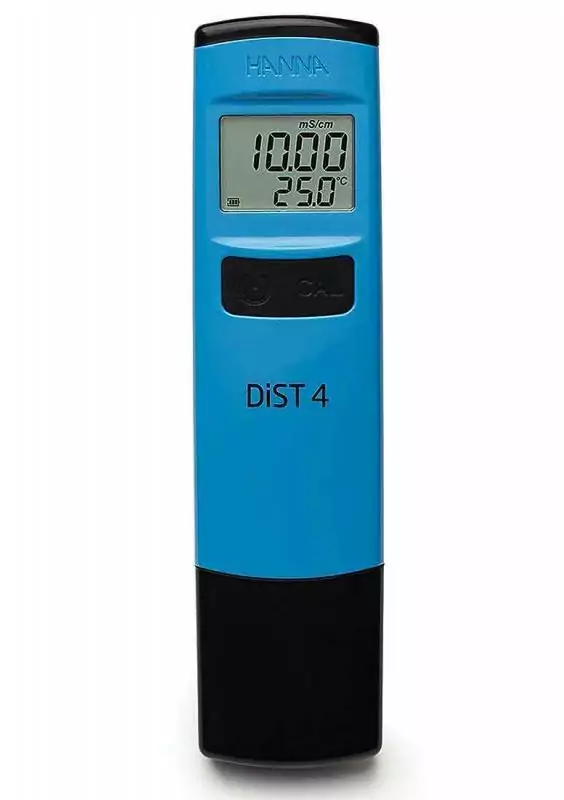
- Types: EC meters come in various types, including handheld meters, pen-style meters, and digital meters. Handheld meters are portable and easy to use, while digital meters may offer advanced features and greater accuracy.
- Calibration: Regular calibration of EC meters is essential for accurate readings. Follow the manufacturer’s instructions for calibration using standard solutions.
- Measurement Procedure
- Sampling: Take a sample of the nutrient solution from the reservoir or grow system. Ensure that the sample is well-mixed to obtain a representative reading.
- Testing: Immerse the EC meter probe into the sample and allow it to stabilize before recording the EC value. Clean the probe after each use to prevent contamination.
Managing EC Levels in Hydroponics
- Establishing Optimal EC Ranges
- Seedling Stage: EC levels for seedlings typically range from 0.5 to 1.0 mS/cm. Lower levels help avoid overloading young plants with nutrients.
- Vegetative Stage: During the vegetative growth phase, maintain EC levels between 1.0 and 2.0 mS/cm. This supports strong growth and development.
- Flowering Stage: For flowering plants, increase EC levels to 2.0 to 3.0 mS/cm, depending on the strain and specific requirements. Higher nutrient concentrations support bud development and overall plant health.
- Adjusting EC Levels
- Increase EC: To raise EC levels, add more concentrated nutrient solutions or increase the amount of nutrients in the mix. Always make gradual adjustments to avoid shocking the plants.
- Decrease EC: To lower EC levels, dilute the nutrient solution with water. Regularly monitor and adjust to maintain the desired EC range.
- Monitoring and Troubleshooting
- Regular Checks: Monitor EC levels daily or as needed, depending on the growth stage and system requirements. Ensure that EC levels remain within the optimal range for the specific stage of growth.
- Addressing Issues: If plants show signs of nutrient deficiencies or toxicities, check EC levels and adjust the nutrient solution accordingly. Overly high or low EC levels can cause symptoms such as leaf curling, discoloration, or stunted growth.
- Environmental Factors
- Temperature: The temperature of the nutrient solution can affect EC readings. Warm solutions may have higher conductivity, while cold solutions can show lower EC. Adjust for temperature variations if necessary.
- pH Levels: The pH of the nutrient solution also influences nutrient availability and EC readings. Maintain pH within the optimal range for cannabis (5.5 to 6.5) to support nutrient uptake and overall plant health.
Best Practices for EC Management
- Regular Calibration and Maintenance
- Ensure that EC meters are regularly calibrated and properly maintained to provide accurate readings. Follow manufacturer guidelines for calibration and cleaning.
- Record Keeping
- Keep detailed records of EC readings, nutrient adjustments, and plant responses. This helps track trends and make informed decisions about nutrient management.
- Educational Resources
- Stay informed about the specific needs of different cannabis strains and growth stages. Utilize resources such as grow guides, forums, and expert advice to enhance your understanding of EC management.
Conclusion
Electrical conductivity (EC) is a fundamental aspect of hydroponic cannabis cultivation that directly impacts plant health, growth, and yield. By understanding what EC measures, how to measure it accurately, and how to manage it effectively, growers can optimize their hydroponic systems and achieve better results. Regular monitoring, proper adjustment, and adherence to best practices ensure that cannabis plants receive the right nutrients in the right concentrations, leading to healthier plants and more successful harvests.