
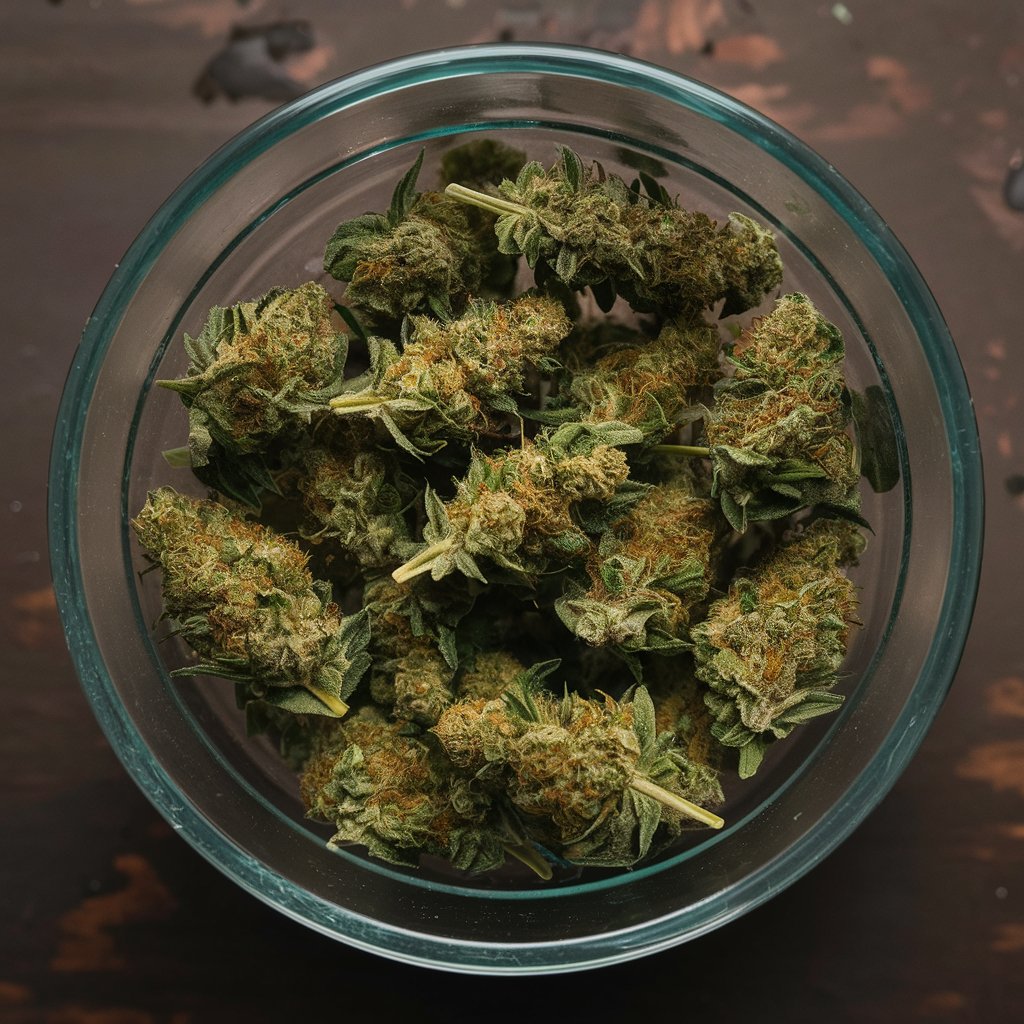
Curing is a crucial step in cannabis cultivation that greatly influences the final quality of your harvest. Proper curing not only enhances the flavor, aroma, and potency of your cannabis but also ensures a smoother smoking experience. This comprehensive guide covers everything you need to know about curing your cannabis, including the benefits, the curing process, and best practices.
Why Curing Cannabis is Essential
1. Enhances Flavor and Aroma
Curing allows the cannabis to develop its full flavor and aromatic profile. This process helps to break down chlorophyll and other compounds that can cause harshness, leading to a smoother, more enjoyable smoking experience.
2. Improves Potency
Curing helps to activate and preserve cannabinoids like THC and CBD, which are responsible for the psychoactive and therapeutic effects of cannabis. Proper curing ensures that these compounds are fully developed and maintained.
3. Reduces Harshness
Freshly harvested cannabis can be harsh on the throat and lungs due to high chlorophyll content. Curing reduces this harshness, making the final product much more pleasant to consume.
4. Prevents Mold and Mildew
A proper curing process involves controlled drying and storage conditions that prevent mold and mildew growth, which can ruin your harvest and pose health risks.
The Curing Process
1. Initial Drying
Purpose:
- To reduce moisture content in the buds before curing.
Steps:
- Harvest: Cut your cannabis plants and remove excess leaves.
- Hang Drying: Hang the whole plant or branches in a cool, dark, and well-ventilated area with a temperature of 60-70°F (15-21°C) and humidity around 50-60%.
- Drying Time: Allow the buds to dry for about 7-14 days until they snap off the stems rather than bending. The outer part of the buds should feel dry to the touch, but the inner part should still have a little moisture.
2. Trimming
Purpose:
- To remove excess leaves and prepare the buds for curing.
Steps:
- Trim: After drying, trim away any remaining fan leaves and excess stems. This step can be done before or after the initial drying, depending on your preference.
3. Curing
Purpose:
- To further develop flavor, aroma, and potency while reducing harshness.
Steps:
- Containers: Place the trimmed buds in airtight containers such as glass jars, Mylar bags, or vacuum-sealed bags.
- Fill Containers: Do not over-pack the containers. Leave some space for air circulation to prevent mold growth.
- Seal and Store: Seal the containers tightly and store them in a cool, dark place with a temperature of 60-70°F (15-21°C) and humidity around 60-65%.
- Burping: Open the containers daily for the first week to allow fresh air in and release any accumulated moisture. This process, known as “burping,” helps prevent mold and allows for even curing.
- Monitor: Check for any signs of mold or mildew during the curing process. If you notice any issues, remove the affected buds and adjust the humidity levels if necessary.
4. Final Curing
Purpose:
- To further enhance the quality of your cannabis.
Steps:
- Extended Cure: Continue curing for 2-4 weeks, or even up to 6 months for a more refined flavor and aroma. The longer the cure, the more the flavors will develop.
- Evaluate: Taste and smell the buds periodically to assess the curing progress. Once the desired flavor and aroma are achieved, the curing process is complete.
Best Practices for Curing Cannabis
1. Use Proper Containers
- Glass Jars: Glass jars are ideal for curing as they are airtight and do not impart any flavors or chemicals to the buds.
- Avoid Plastic: Avoid using plastic containers as they can affect the taste and may not be completely airtight.
2. Control Humidity
- Humidity Packs: Consider using humidity control packs (e.g., Boveda packs) to maintain optimal humidity levels inside the jars. These packs help to prevent over-drying or excess moisture.
- Hydrometer: Use a hygrometer to monitor the humidity levels inside the containers.
3. Maintain a Stable Environment
- Temperature: Keep the curing environment at a stable temperature to prevent fluctuations that can affect the curing process.
- Darkness: Store your containers in a dark place to protect the buds from light, which can degrade cannabinoids and terpenes.
4. Handle with Care
- Gentle Handling: Handle the buds gently to avoid damaging the trichomes, which contain the cannabinoids and terpenes responsible for the effects and flavor of cannabis.
Troubleshooting Common Issues
1. Mold and Mildew
Issue: Mold or mildew can develop if the humidity is too high or if there’s inadequate air circulation.
Solution: Ensure proper drying before curing, use humidity packs, and regularly check for mold. If you find mold, remove the affected buds immediately and adjust your storage conditions.
2. Too Dry
Issue: Buds that are too dry can become harsh and lose flavor.
Solution: Adjust humidity levels inside the containers by adding a small amount of moisture or using humidity control packs.
3. Uneven Curing
Issue: Uneven curing can result in inconsistent flavor and potency.
Solution: Rotate and mix the buds in the containers periodically to ensure even exposure to air.
Conclusion
Curing your cannabis harvest is a vital step that enhances the overall quality of your buds, improving flavor, aroma, and potency. By following proper curing techniques and best practices, you can ensure that your cannabis is preserved in optimal condition, providing a superior smoking or consumption experience. Patience and attention to detail during the curing process will result in a high-quality product that reflects the full potential of your harvest.


